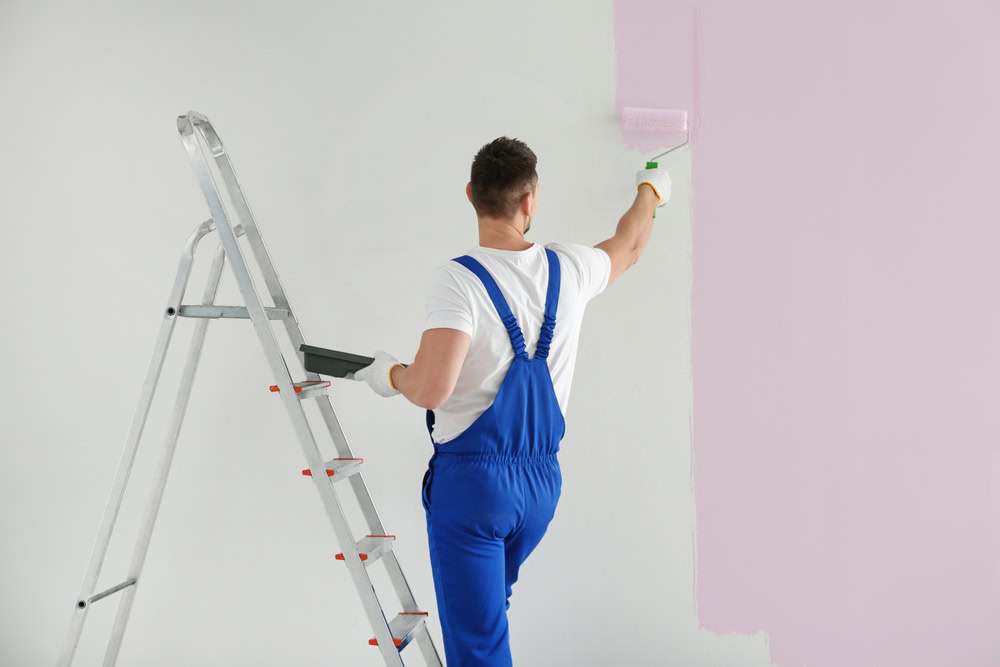
Professional exterior painting in Dix Hills, NY designed to protect your home from coastal weather while enhancing curb appeal and property value.

Summary:
Most painting contractors treat Dix Hills like any suburban neighborhood. They use the same materials and methods they’d use in Kansas. That’s an expensive mistake.
Long Island’s coastal location creates specific challenges that destroy standard paint jobs. Salt particles travel inland on every breeze, settling on your siding and creating a sticky layer that traps moisture. High humidity levels exceed 80% during summer months, extending drying times and creating perfect conditions for paint failure.
Your home needs exterior painting designed for these exact conditions. The difference between a three-year paint job and a ten-year paint job isn’t luck—it’s understanding what works in coastal environments.
Salt doesn’t just sit on your home’s surface. It penetrates paint layers, building up beneath the finish until it forces the paint to lift and crack. This process accelerates during humid conditions when moisture gets trapped under the paint film, disrupting the bond between paint and substrate.
You’ll see the damage as blistering, peeling, and that chalky white residue that appears as paint binders break down. What should be a seven to ten-year paint job starts failing in three to five years. By the time you notice the problem, moisture has already begun damaging the underlying structure.
The solution isn’t just better paint—it’s understanding how to prep surfaces for coastal conditions. Proper cleaning removes salt buildup before it becomes a problem. Marine-grade primers create barriers that resist salt penetration. Top coats formulated for high-salt environments maintain their integrity when standard paints fail.
This preparation takes more time and costs more upfront. But it’s the difference between repainting your home every few years or protecting it for the long term. In Dix Hills, where median home values exceed $966,000, that protection is worth the investment.
Long Island summers bring humidity levels that create perfect storms for paint failure. When moisture levels exceed 80%, paint doesn’t cure properly between coats. This leads to soft spots that never fully harden, creating weak points that fail under stress.
High humidity also promotes mold and mildew growth, especially on north-facing surfaces that don’t get direct sunlight. These organic growths feed on paint binders, weakening the finish from within. Most homeowners don’t notice until black spots start showing through the paint—by then, the damage goes deeper than the surface.
Professional exterior painting in coastal areas requires timing applications around weather conditions. We monitor humidity levels and use specialized techniques like dehumidifiers when necessary to ensure proper curing. The paint products we select contain anti-microbial additives that resist mold and mildew growth.
Temperature fluctuations add another layer of complexity. Your home’s exterior expands and contracts with temperature changes. Paint that isn’t formulated for this movement will crack and peel at stress points. Elastomeric coatings stretch and move with the substrate, maintaining their seal even when temperatures swing from winter lows to summer highs.
These aren’t problems you solve with a quick coat of paint from the hardware store. They require understanding how materials behave in your specific environment and selecting products that are engineered for these conditions.
The difference between paint jobs that last and paint jobs that fail comes down to preparation. Most contractors skip steps to save time. We do the opposite—we invest more time in prep work because it determines how long your investment lasts.
Our process starts with comprehensive surface evaluation. We identify problem areas, test for existing paint compatibility, and develop a plan that addresses your home’s specific needs. Every surface gets cleaned, repaired, and properly primed before we apply the first coat of finish paint.
Proper preparation for coastal exterior painting goes beyond power washing and scraping loose paint. We use soft washing techniques with specialized cleaning agents that remove mold, mildew, algae, and salt accumulation without damaging your siding.
Wood surfaces get particular attention. We replace rotted sections, sand rough areas to smooth finishes, and fill cracks and holes with marine-grade compounds. Every piece of bare wood gets oil-based primer that penetrates deep into the substrate, creating the foundation for long-term paint adhesion.
Metal surfaces require different treatment. We remove rust completely, treat with rust inhibitors, and apply primers specifically formulated for metal substrates. Vinyl and fiber cement siding need thorough cleaning and light abrasion to ensure proper paint adhesion—these surfaces are notorious for paint failure when not properly prepped.
The caulking process alone takes more time than most contractors spend on entire prep work. We remove old, failed caulk and replace it with marine-grade sealants that remain flexible in temperature extremes. Every joint, seam, and transition point gets sealed to prevent moisture infiltration.
This preparation phase typically takes longer than the actual painting. But it’s what determines whether your paint job protects your home for three years or ten years. In Dix Hills’ coastal environment, there’s no shortcut to lasting results.
Not all exterior paints are created equal, especially in coastal environments. We use only marine-grade paints and primers specifically formulated for high-salt, high-humidity conditions. These products cost more than standard paints, but they contain enhanced binding agents and additives that resist salt penetration and moisture damage.
Benjamin Moore and Sherwin-Williams both manufacture coastal-specific product lines that we rely on for Dix Hills projects. These paints maintain their color and integrity under intense UV exposure while resisting the chalking and fading that destroys standard finishes. The extra cost upfront saves you thousands in premature repainting.
Our primer systems create multiple barriers against moisture infiltration. We use different primers for different substrates—oil-based for wood, specialized metal primers for iron and steel, and high-adhesion primers for vinyl and fiber cement. Each creates the specific bond needed for that material in coastal conditions.
Top coat selection depends on your home’s specific exposure. South-facing surfaces get maximum UV protection. Areas near salt water get enhanced salt resistance. High-traffic areas like decks and railings get extra durability coatings that resist wear and maintain their appearance.
We also factor in your home’s architectural style and neighborhood character. Dix Hills has distinct aesthetic standards, and your exterior painting should enhance your property value while providing maximum protection. The right color choices can actually help with temperature regulation—lighter colors reflect heat and reduce thermal stress on your home’s structure.
Application technique matters as much as material selection. We use both brush and spray methods depending on surface type and weather conditions. Multiple thin coats provide better protection than fewer thick coats, and we never compromise on cure time between applications.
Your home is likely your largest investment, and in Dix Hills, that investment deserves protection that matches its value. Exterior painting isn’t just about appearance—it’s about creating a barrier system that shields your property from Long Island’s challenging coastal environment.
The right exterior painting process, using proper materials and techniques, protects your home for years while enhancing its curb appeal and market value. The wrong approach costs you thousands in premature repairs and repainting.
When you’re ready to protect your investment with exterior painting that’s built for coastal conditions, ARA Painting & More brings the expertise and materials needed for lasting results. We understand what works in Dix Hills because we’ve been solving these challenges for homeowners throughout Suffolk County.
Article details:
Continue learning: