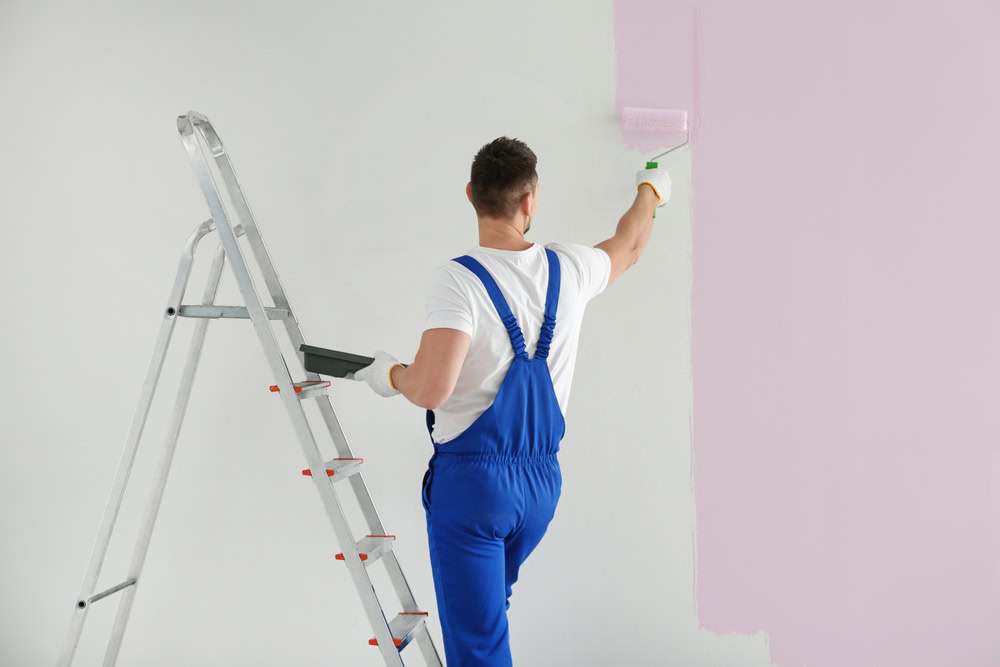
Learn how the right interior paint colors can transform your home's atmosphere while boosting property value through strategic color psychology.

Summary:
The colors you choose for your home can significantly influence your mood, energy levels, and overall atmosphere. This isn’t just design theory—it’s backed by solid research showing how different hues trigger specific emotional and physiological responses.
Studies demonstrate that blue walls in workspaces increase feelings of calm and focus, with participants reporting less stress and higher productivity. Meanwhile, research in healthcare settings found that rooms painted in soft greens and blues led to reduced anxiety and quicker recovery times for patients.
The science is clear: your paint choices matter more than you might think. Colors fall into two main categories—warm colors (reds, oranges, yellows) and cool colors (purples, blues, greens)—each creating distinctly different feelings in a space.
Warm colors like reds evoke feelings of passion, energy, and intimacy, making them perfect for workout rooms, master bedrooms, or dining areas where you want to stimulate appetite and conversation. But there’s more nuance here than you might expect.
Red is the most intense color, capable of increasing adrenaline, raising blood pressure, and speeding up heart and breathing rates. It’s excellent for stirring excitement and lively conversation in specific spaces. However, this extra energy means red may not be ideal for bedrooms or spa bathrooms where you’re trying to relax.
Yellow reflects light beautifully, making it excellent for foyers and dark hallways. Its cheery nature creates uplifting moods and is often associated with intellect and logic. Soft yellows work best to convey cheerful, uplifting, and fun tones without becoming overwhelming.
Orange sits perfectly between red’s intensity and yellow’s brightness. Orange radiates warmth, happiness, and rejuvenation, making it ideal for gathering spaces of all ages. Think about how a warm terracotta or soft peach can make a living room feel instantly more welcoming.
The key with warm colors is understanding their power. They draw people in, encourage interaction, and create cozy, intimate atmospheres. But they also demand respect—too much intensity can overwhelm rather than welcome.
Warm colors like reds evoke feelings of passion, energy, and intimacy, making them perfect for workout rooms, master bedrooms, or dining areas where you want to stimulate appetite and conversation. But there’s more nuance here than you might expect.
Red is the most intense color, capable of increasing adrenaline, raising blood pressure, and speeding up heart and breathing rates. It’s excellent for stirring excitement and lively conversation in specific spaces. However, this extra energy means red may not be ideal for bedrooms or spa bathrooms where you’re trying to relax.
Yellow reflects light beautifully, making it excellent for foyers and dark hallways. Its cheery nature creates uplifting moods and is often associated with intellect and logic. Soft yellows work best to convey cheerful, uplifting, and fun tones without becoming overwhelming.
Orange sits perfectly between red’s intensity and yellow’s brightness. Orange radiates warmth, happiness, and rejuvenation, making it ideal for gathering spaces of all ages. Think about how a warm terracotta or soft peach can make a living room feel instantly more welcoming.
The key with warm colors is understanding their power. They draw people in, encourage interaction, and create cozy, intimate atmospheres. But they also demand respect—too much intensity can overwhelm rather than welcome.
Smart homeowners know that the right paint choices do double duty—creating beautiful, mood-enhancing spaces while delivering impressive returns on investment. Interior painting provides an average 107% ROI, with homes seeing an average $4,000 increase in value.
Earthy and organic hues are having a major moment in 2025, with soothing greens like moss or sage, and warm, welcoming neutrals inspired by sand and stone leading the way. Industry experts confirm that nature-inspired color palettes, including deep moody shades of green and warm buttery whites, are set to dominate home interiors this year.
The beauty of these trending colors lies in their timeless appeal and broad market acceptance—exactly what you want when considering both daily enjoyment and future resale value.
Earth-inspired colors continue gaining popularity, with shades like burnt sienna, mustard yellow, and sage green leading the way. These hues evoke a connection to nature and work beautifully in creating warm, cozy, and inviting spaces.
Rich reds aren’t going anywhere in 2025, continuing their dominance from 2024. The trending approach focuses on wine reds and burgundy hues rather than bright primary reds. Red’s rusty, earthy variations are particularly popular for the new year, providing grounding and impact when used in cabinetry or upholstered pieces.
Both Sherwin Williams and Benjamin Moore selected blue shades for their 2024 Colors of the Year, with these blues working best as accent walls or in smaller rooms rather than dominating large spaces. Dutch Boy’s 2025 Color of the Year, Mapped Blue, is a mid-tone blue with warming yellow undertones that pairs well with many interior design styles for a timeless decorating approach.
What makes these earth-tone trends so appealing is their versatility. A lime-green color works beautifully in kitchens, lending light and cheerful moods by channeling springtime spirit, especially when paired with white and touches of dark chocolate or rusty brown. These colors don’t just look good—they create emotional connections to the natural world that feel both current and enduring.
The key is understanding how to balance these trending colors with your home’s existing features and your family’s lifestyle needs. Earth tones provide the perfect foundation because they’re inherently calming while still offering enough personality to keep spaces interesting.
Right now, whites, grays, and beiges remain the top choices for homeowners because these colors are most often associated with freshness and modernity—qualities that a large number of homeowners value. But strategic color selection goes beyond just playing it safe.
Neutral colors work best because they allow potential buyers to imagine their belongings in the home more readily. Additionally, most buyers don’t want to repaint after purchasing a home, so neutrals become an attractive feature. Industry experts recommend warm neutrals to increase home value when selling, as these colors create an inviting feel without being overbearing. If you have strong, bright colors and are looking to sell, painting over them with warm neutrals could result in higher offers.
Color choices can impact how buyers perceive room sizes. Light pastel colors make small rooms appear more spacious, while trim that matches walls can give the illusion of bigger space. Conversely, painting large rooms in warm, dark colors can create a cozier feel.
When prioritizing rooms for painting projects, focus on kitchens first—the paint there is critical when selling. Next, tackle high-traffic areas like bedrooms, living rooms, and bathrooms. Hallways, closets, and utility rooms come last since people spend little time in these areas and they don’t contribute much to initial impressions.
The smartest approach combines trending colors with market-tested neutrals. Use earth tones and nature-inspired hues as accents or in specific rooms, while maintaining neutral foundations that appeal to the broadest range of potential buyers. Paint is the simplest, most effective, and most transformative way to change a space—the right paint can make small rooms look bigger and large rooms feel more intimate.
Remember, you’re not just choosing colors for today. You’re making an investment that should enhance your daily life while protecting and increasing your property value for years to come.
The right interior paint choices transform your home on multiple levels—creating the emotional atmosphere your family craves while delivering solid financial returns. With more than 100% ROI, interior painting is worth the investment. Fresh paint refreshes your home’s look, updates its style, and erases years of wear. Real estate agents often advise clients to paint before selling because they know homeowners will make their investment back when offers start coming in.
Color plays a vital role in interior design, influencing emotions and overall ambiance. By understanding color psychology and thoughtfully selecting hues that align with your desired mood, you can create a home that not only looks beautiful but also feels inviting and harmonious. The key is working with professionals who understand both the science of color and the art of application.
When you’re ready to transform your space with expert interior painting, we bring the experience, quality materials, and attention to detail that make all the difference in achieving results that enhance both your daily life and your home’s long-term value.
Article details:
Continue learning: